+91 904 885 7777
 Back to blogs
Why Mental Wellbeing Is the Missing Piece in Most Senior Care Conversations
Kerala has some of India's strongest healthcare infrastructure. Multispecialty hospitals, home-visit nursing, doorstep medicine delivery, and ambulance access even in smaller towns—medical care for senior citizens in Kerala, in the strictly clinical sense, is genuinely good.
21 Sep 2026 |Blogs
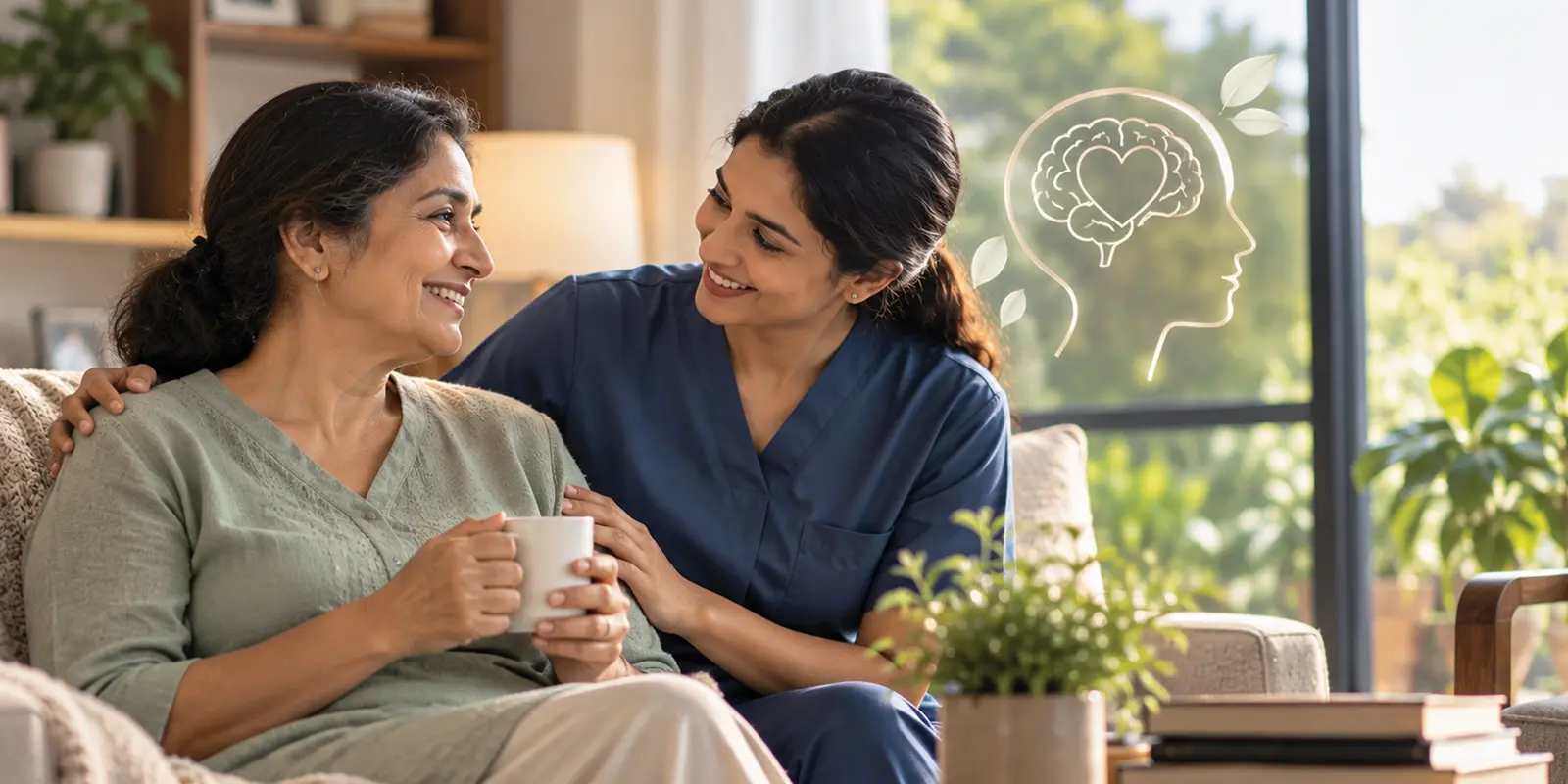
Ask any family planning senior care in Kerala what matters most, and the list comes quickly: a good doctor nearby, someone to manage medication, help with daily tasks, and maybe a nurse on call. All of it is valid. All of it is necessary. And all of it physical.
What rarely makes the list is how the person is actually feeling. Whether they have someone to talk to on an ordinary day afternoon. Whether they still feel useful, curious, or connected to something beyond the four walls of their own home.
That's the blind spot quietly shaping most senior care conversations happening in Kerala's living rooms right now, and it deserves to be named directly.
The Body Gets the Attention. The Mind Gets an Afterthought.
There's a reason this keeps happening. Physical health is measurable—a blood pressure reading, a diabetes report, a fall risk. Each one points to an obvious next step: see a doctor, adjust the medication, or hire help.
Mental well-being doesn't announce itself the same way. An older parent who has grown quieter over the months. Someone who used to call twice a day and now barely picks up. A father who was once the loudest voice at any gathering, now content to sit by the window for hours. None of this shows up on a lab report, so it gets explained away instead—"that's just old age,” “he's always been quiet,” “she's fine, just tired.”
But the research isn't ambiguous. Loneliness in older adults carries real, documented health risks, from higher rates of depression to weakened immunity and faster cognitive decline. Isolation isn't a soft concern trailing behind medical care—doctors increasingly treat it as a health condition in its own right.
Why This Gap Is Especially Wide in Kerala
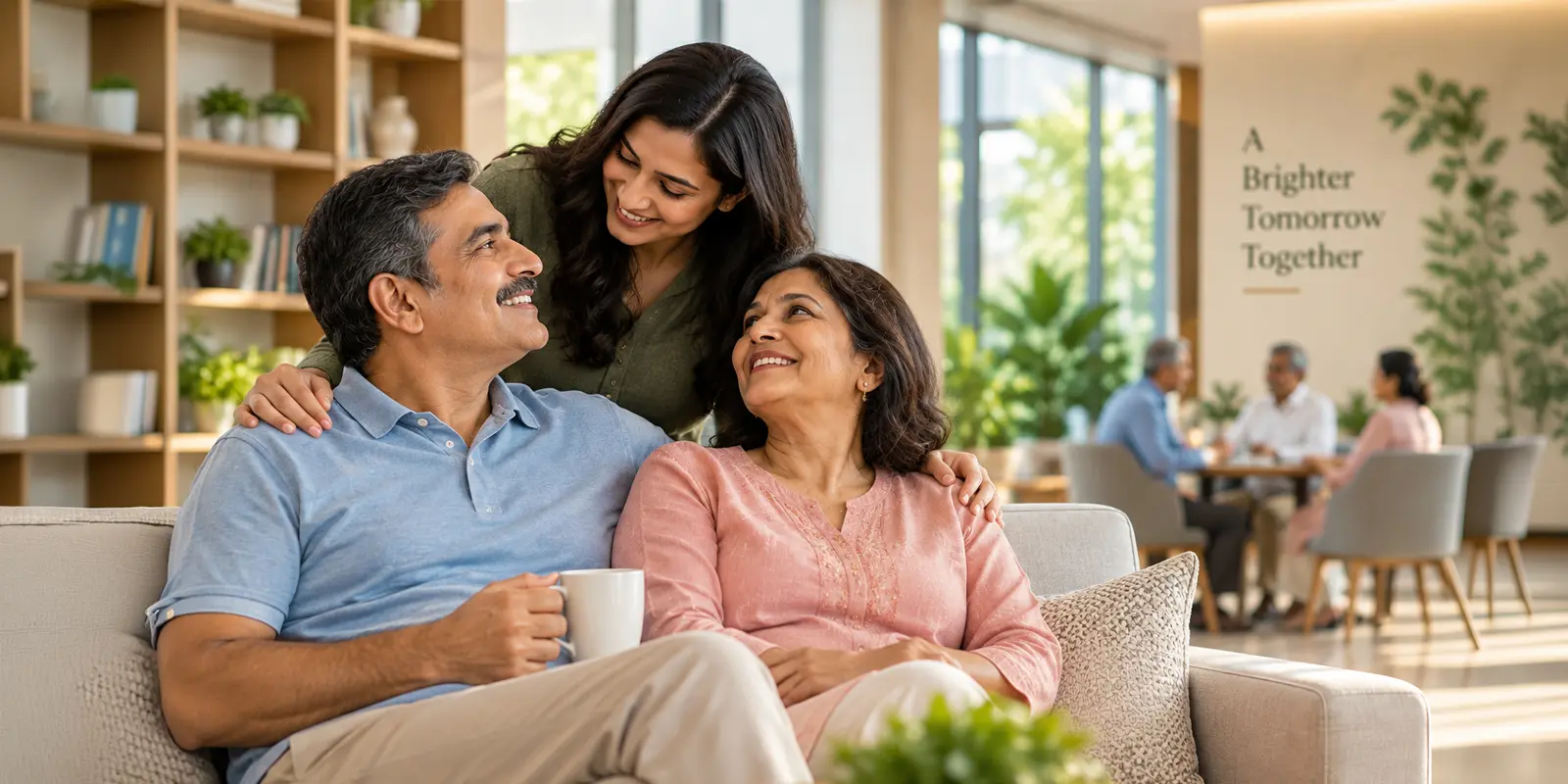
Kerala's demographic story adds a layer most families are only beginning to reckon with. Kerala has one of the highest proportions of elderly residents in the country, and a large share of its working-age population has moved out—to the Gulf, to Bengaluru and Chennai, to lives built elsewhere. The result is a generation of parents who are medically looked after. but increasingly, quietly, alone for most of the day. A visiting nurse can check blood pressure. She cannot replace a daughter's laughter over evening tea or the neighbor who used to drop by before their own children moved away too.
This is exactly the space where mental well-being in senior care needs to enter the conversation—not as a nice-to-have tacked onto medical planning, but as a priority running alongside it.
What Mental Wellbeing Actually Looks Like, Day to Day
It's easy to talk about mental well-being in the abstract. In practice, it comes down to a handful of ordinary things, repeated consistently, day after day.
Having people around—not visitors who arrive occasionally, but a community that's simply present every day, without anyone having to plan it in advance.
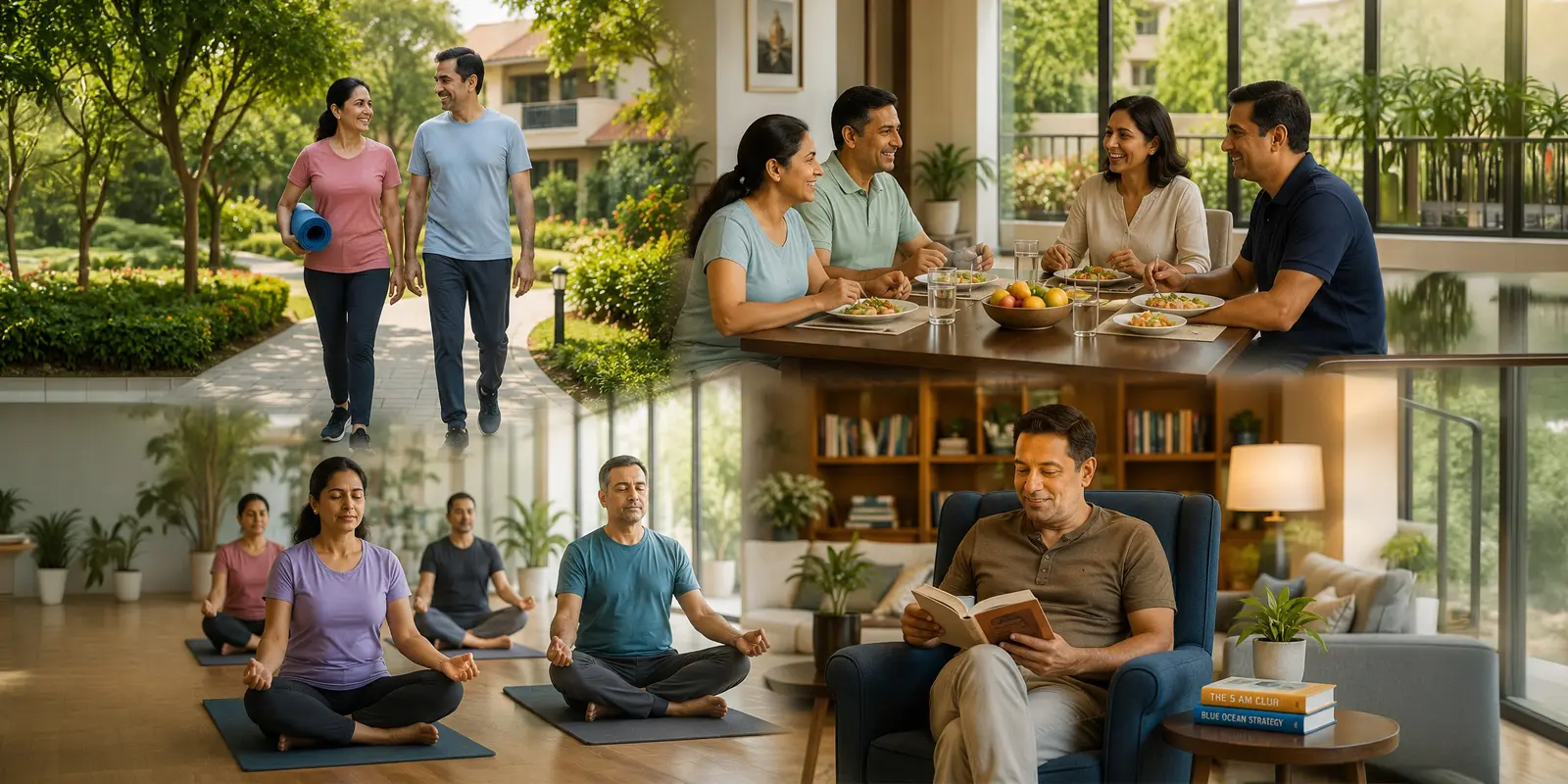
Having something to look forward to—a class, an evening walk, a shared meal, a small celebration down the corridor, anything that gives the day a shape.
Feeling useful—even small responsibilities matter enormously to a generation raised on being needed, not simply looked after.
Staying mentally engaged—conversation, games, learning something new, the small frictions that keep the mind active rather than idle.
None of this requires anything dramatic. It requires structure and company, consistently offered—exactly what's hardest to arrange for an older parent living alone, however well-run the home or good the medical care.
Rethinking What “Care” Should Include
The families having the most honest senior care conversations right now are asking a slightly different question. Not just "Who will look after Appa's health?” But "Who will Appa actually talk to every day? What will Amma look forward to when she wakes up tomorrow?"
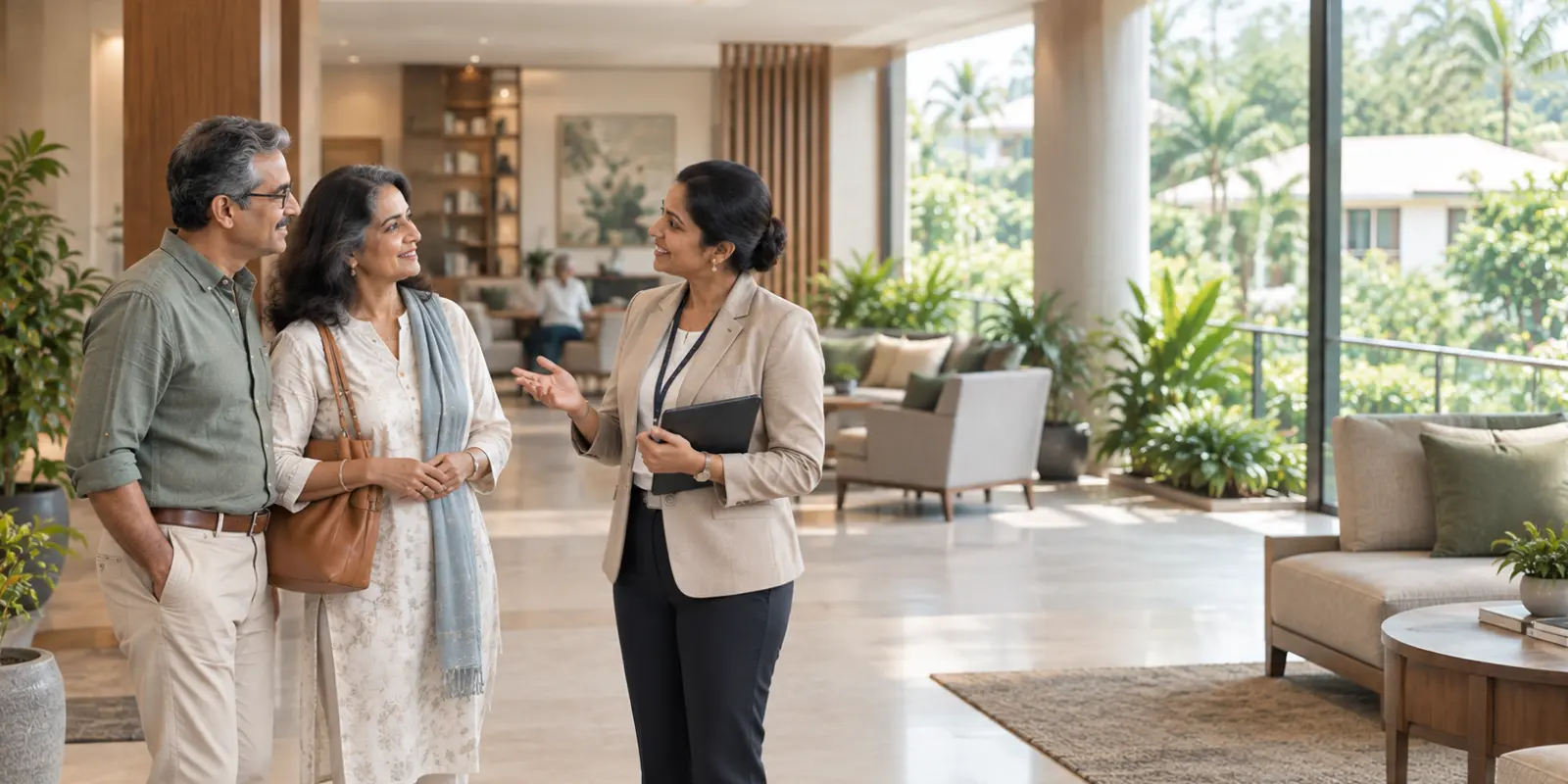
This is exactly why senior living communities built around wellness, not just medical convenience, are gaining ground across Kerala. Varma Wellage has just launched their landmark project—Praana in Kochi, Kerala's first wellness village designed entirely around senior living. The thinking is straightforward: bring daily medical support and genuine community life onto the same address, so families are never forced to choose between the two.
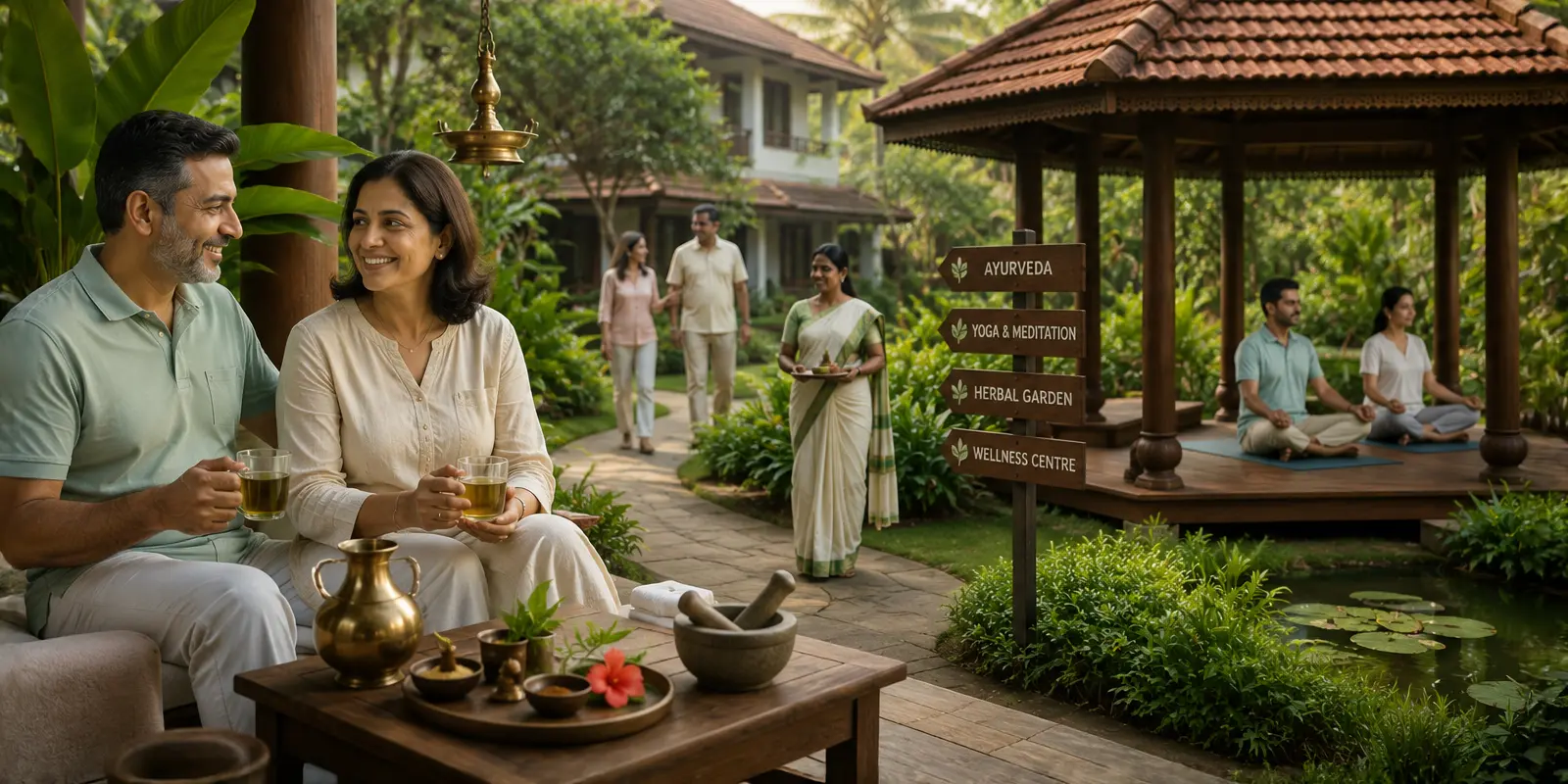
A space like Praana is being shaped so residents are never simply monitored from a distance but surrounded by people their own age, involved in daily activities, and given a rhythm to their days that a solitary home, however comfortable, often struggles to offer.
The Real Takeaway
Physical health will always be the first thing families ask about, and it should be. But it cannot be the only thing on the list. A parent who takes every tablet on time and still spends most of the day in silence is not, by any honest measure, fully cared for.
Mental well-being in senior care isn't a luxury add-on considered once the medical basics are sorted. For many older adults, it's the difference between a life simply going on and one genuinely being lived. The next time your family plans senior care, let the conversation hold both questions—not just "Is she healthy?” but "Is she happy, with people around her who make the days worth waking up to? ”.
Frequently Asked Questions
Why is mental well-being important for senior citizens?
Mental well-being affects physical health directly. Loneliness and low mood in older adults are linked to weaker immunity, slower recovery from illness, and faster cognitive decline. The two aren't separate concerns in old age—they move together.
What causes loneliness among elderly parents in Kerala?
Migration is one of the biggest factors. With large numbers of Kerala's younger generation working in the Gulf or other Indian cities, many elderly parents end up living alone or with limited daily company, even in homes with excellent medical support.
How can families support an elderly parent's mental health?
Regular, unhurried conversation helps, along with involving parents in family decisions, encouraging social activity, and ensuring consistent daily company rather than occasional visits. When companionship at home isn't realistic, many families begin exploring community-based senior living instead.
Is good medical care alone enough for senior citizens?
Not entirely. Medical care for senior citizens in Kerala can be excellent on paper—regular check-ups, quick hospital access, and nursing support—and still leave a parent lonely and low in spirits. Physical treatment and emotional well-being need planning together, not one after the other.
What makes a senior living community different from home-based care?
A well-designed senior living community brings medical support and daily social interaction under one roof, so residents aren't forced to choose between being looked after and feeling connected. Structured activities, peer company, and a predictable rhythm support mental well-being in ways home-based care often struggles to replicate.